ROYAL PARK OF CAPODIMONTE, Presentation - Ai Voice
 Language: English / USA

The Royal Park of Capodimonte is one of the largest historic urban parks in Italy and forms an essential part of the royal residence commissioned by Charles of Bourbon in the mid-18th century. Originally conceived as a hunting reserve attached to the palace, it was designed not only as a leisure space for the royal court but also as a setting for official functions—reflecting the prestige and refinement of the Bourbon monarchy. The choice of the Capodimonte hill was far from random: its elevated position offered sweeping views over the city of Naples and a healthier climate than the urban center below.
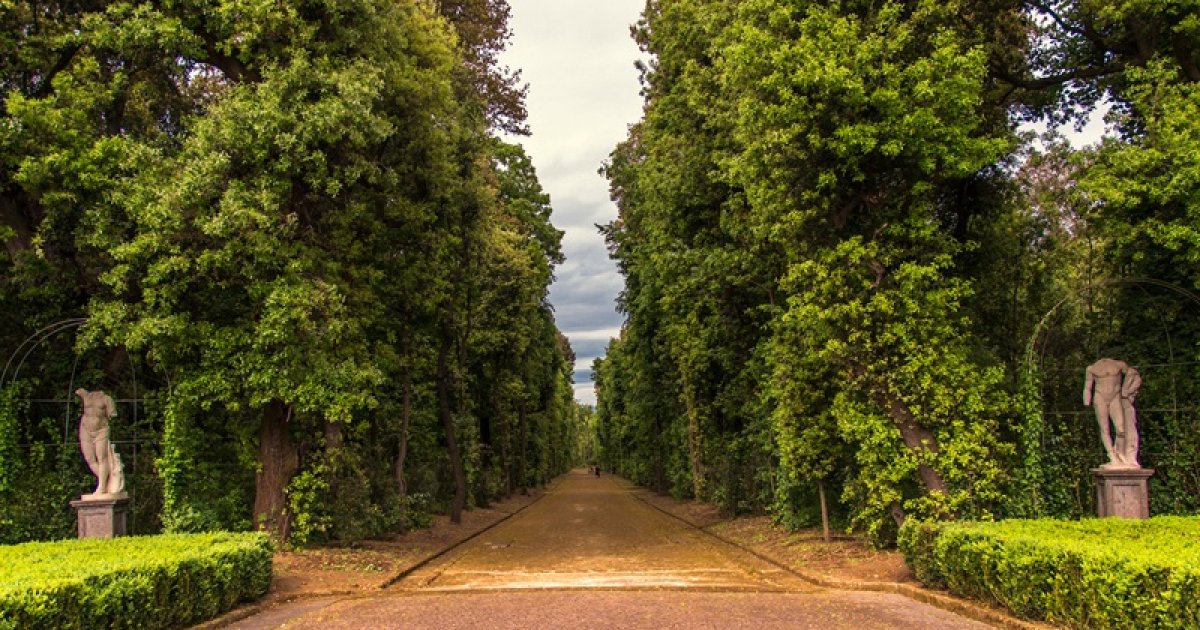
Today, the park covers about 134 hectares and is home to more than four hundred plant species from around the world. Its layout is defined by a network of avenues radiating from the main entrance, creating an orderly yet enchanting landscape. Inside, the areas alternate harmoniously—on one side manicured gardens with geometric perspectives, and on the other, wooded sections that evoke a sense of natural freedom.
The park perfectly reflects the European garden trends of the 18th and 19th centuries. Alongside areas designed in the formal Italian style, marked by symmetry and neatly trimmed hedges, are others inspired by the English garden model, with winding paths, rolling lawns, and more spontaneous views.
As you stroll along the avenues, you’ll encounter statues, fountains, and scenic overlooks that enrich the experience and offer stunning vantage points—some of which open directly onto the city of Naples and its Gulf. The park also features remarkable botanical specimens, including monumental trees and exotic plants introduced over the centuries, each telling part of the story of botanical exploration and scientific experimentation carried out here.
Scattered throughout the park are various buildings that contribute to its distinctive character and reflect its multiple purposes. Small residences, churches, workshops, and greenhouses reveal how Capodimonte was conceived not only as a royal retreat but also as a center of cultural, religious, and productive life.
Here’s an interesting fact: In the 19th century, several foreign travelers visiting Naples noted in their diaries that the Park of Capodimonte, with its vastness and variety, reminded them of the great royal parks of Europe. Many even referred to it as a kind of “Neapolitan Versailles,” capable of blending French elegance with the natural charm of the Mediterranean landscape.