STABIANA STREET, Presentation - Ai Voice
 Language: English / USA

Among the streets of Pompeii, Via Stabiana stands out because it cuts through the city from north to south, connecting several neighborhoods and intersecting the two main east–west routes: Via dell’Abbondanza and Via di Nola.
Its modern name comes from the road that once led out of Pompeii toward the nearby town of Stabiae; the original ancient name, however, has not been preserved.
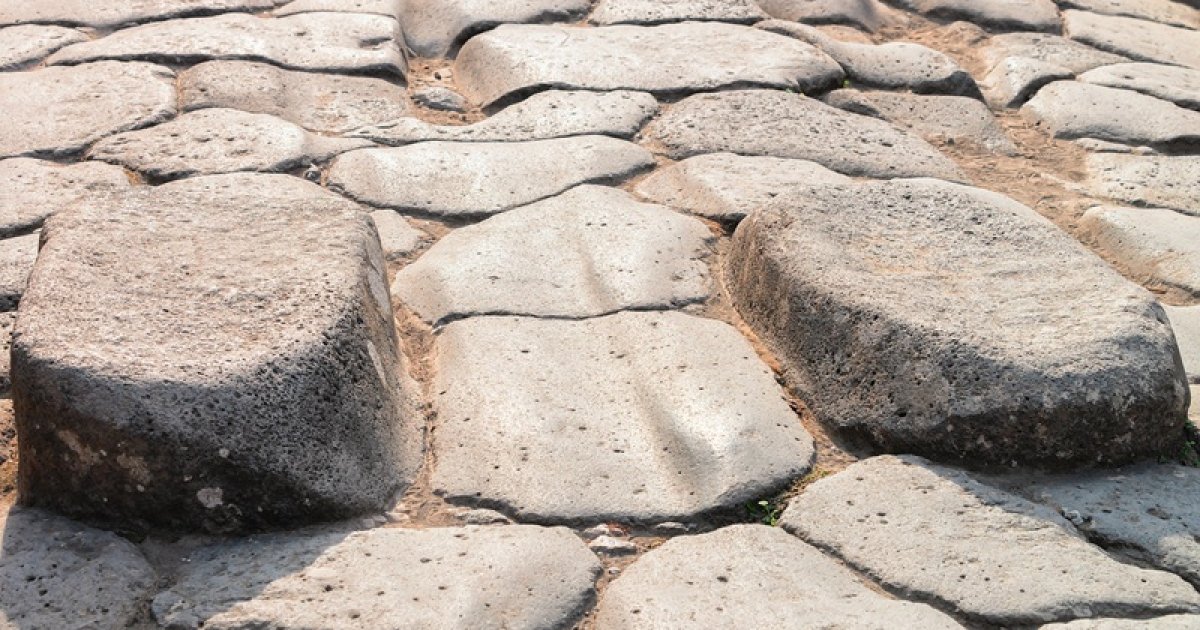
The blocks along Via Stabiana reveal the most practical side of everyday life. Workshops, small artisan spaces, and food stalls once animated this busy street. The slope of the paving stones was designed to channel away rainwater, while deep cart ruts and raised stepping stones reflect the constant flow of traffic. Public fountains at the intersections supplied water to both residents and travelers, making this street a true lifeline of the ancient city.
The most evocative stretch of Via Stabiana is the one devoted to the culture of well-being. Here stood two major bath complexes: the Stabian Baths — among the oldest in Pompeii, complete with a gymnasium and separate sections for men and women — and, farther north, the Central Baths, begun after the earthquake of A.D. 62 but never fully completed. These establishments were not only places for cleanliness; they were social and recreational hubs where people met, negotiated business, and strengthened personal connections.
Another striking feature of the street is the abundance of graffiti and electoral inscriptions that once covered its façades. Short messages, campaign slogans, and notices of daily life transformed Via Stabiana into an open-air bulletin board, revealing how the community used public space for communication and expression.
As you walk along the street, notice how its atmosphere changes: it moves from the more commercial and artisan areas to the district of the major public baths, and then toward the crossroads leading to Pompeii’s more elegant residential quarters.
Let me leave you with an interesting fact: along Via Stabiana, archaeologists have discovered numerous electoral programmata — painted slogans encouraging citizens to vote for specific candidates. Many were signed by neighborhood groups or craft guilds. One inscription reads: “The bakers support Lucius Popidius Sabinus for aedile.”
It’s direct evidence that this street was not only a commercial artery but also a political arena where tradespeople made their voices heard.